Mysticism, Memory, and the Language of Light
On Photography and Conceptual Depth
Sol LeWitt once wrote in his Sentences on Conceptual Art (1967):
“Conceptual artists are mystics rather than rationalists. Art involves conceptual investment in objects and images, just like religion requires an investment of significance into its sacred images and the ritual use of objects.”
This insight continues to echo through my creative process. I see photography not merely as a medium, but as a metaphysical terrain — a bridge between the visible and the invisible. Each image captures not only form and light, but the unconscious flickers of memory, sensation, and inner presence. Photography is not about freezing time; it’s about opening time — revealing what was hidden, forgotten, or never fully seen.
In my artistic journey, photography became a language for the ineffable. In 2005, when I first picked up a camera, I approached it not as a technician, but as a seeker. I didn’t yet associate photographs with memory. I was, in a sense, playing at the threshold between perception and feeling — discovering that images could mirror something inside me that words could not reach.
Over years of study and creative work, I began to understand photography as both archive and oracle: it holds the past, but also offers a vision of transformation. Visual art becomes a form of embodied thinking — a way to reflect on the self, to trace the soul’s resonance in texture, geometry, and light. To understand an image is to understand the spiritual, emotional, and political conditions under which it came into being.
Today, artists work not only with materials, but with systems — systems of color, systems of code, systems of thought. My own design and photographic practice embraces this complexity. I seek not surface beauty, but inner coherence — the kind of beauty that brings the viewer into resonance with their own interiority.
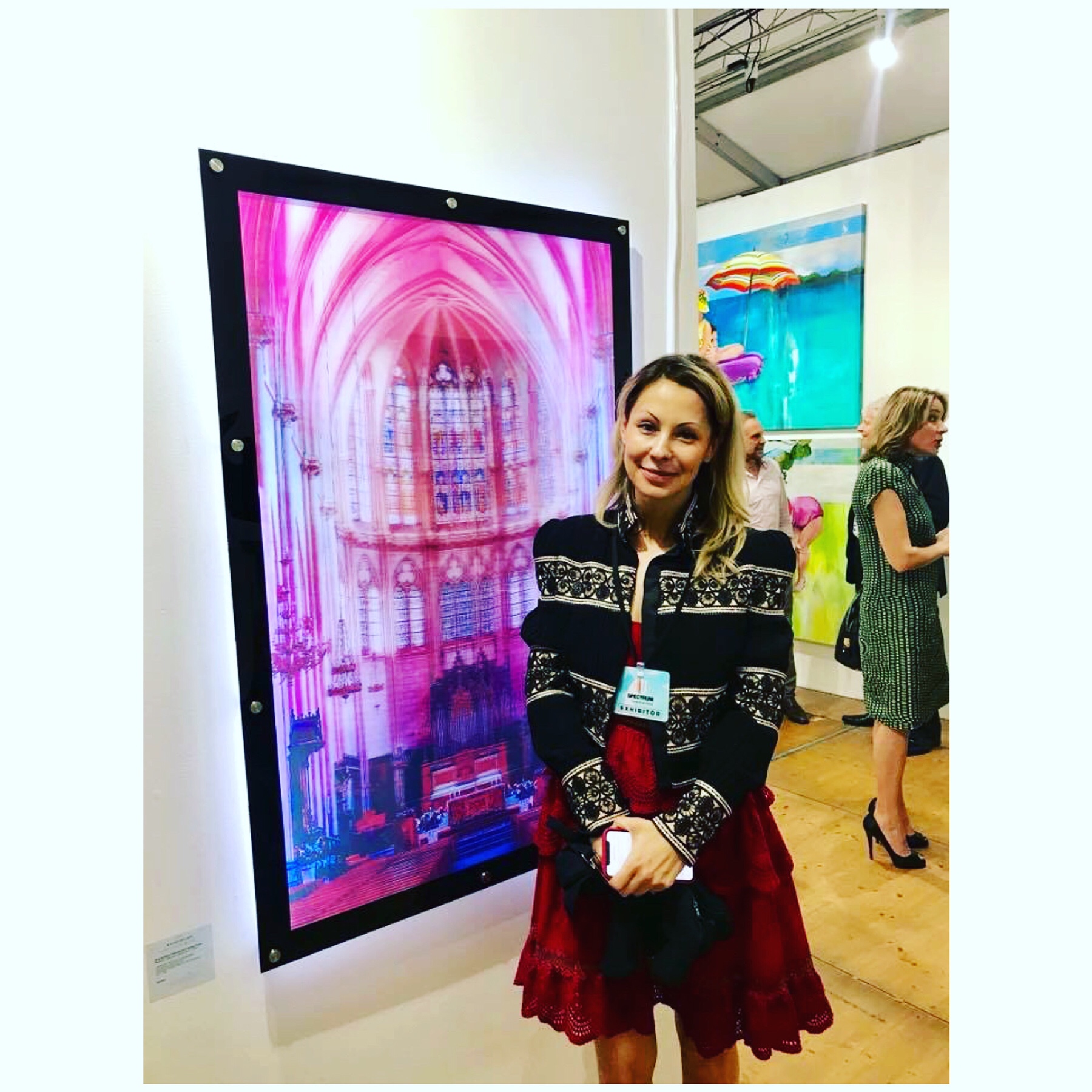
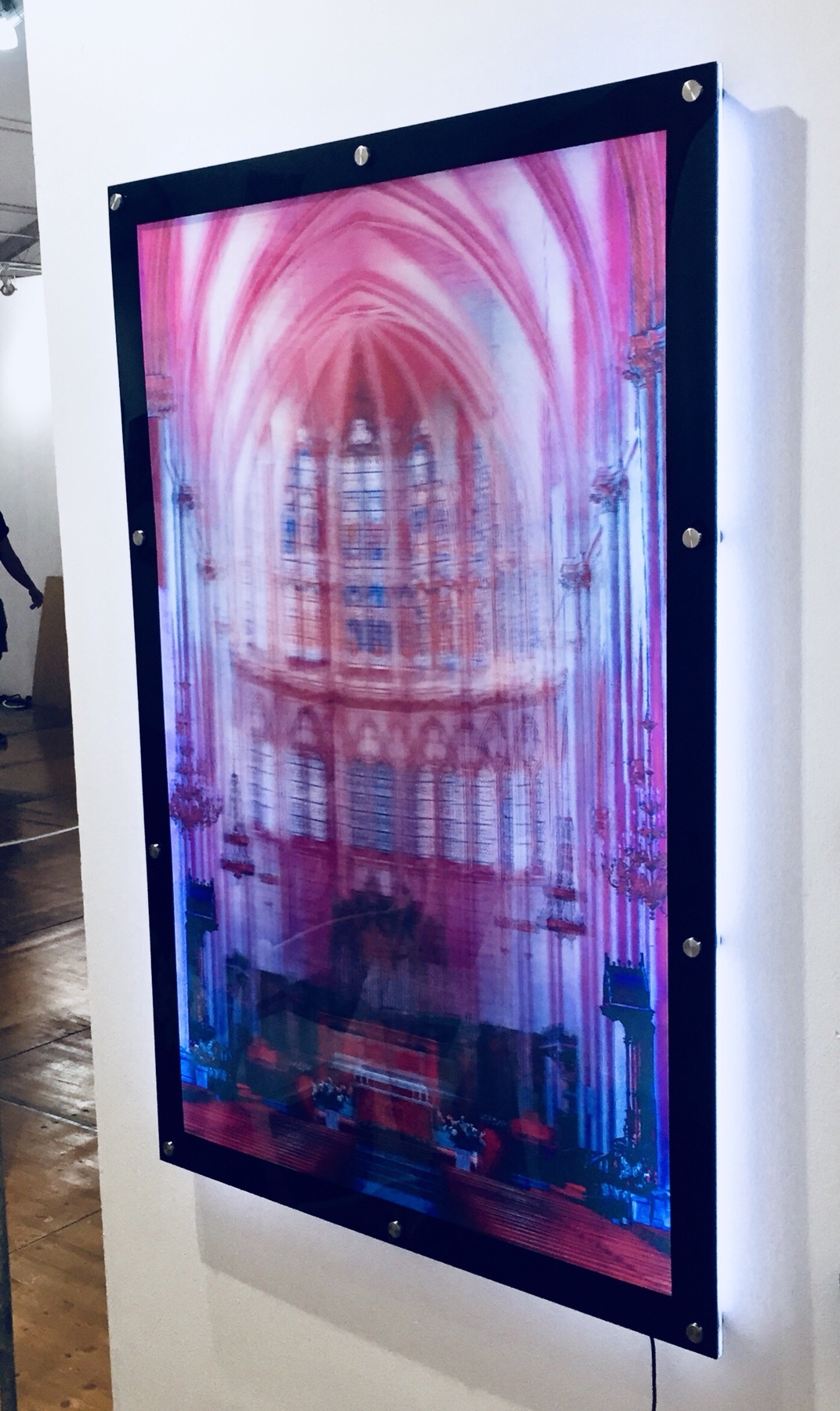
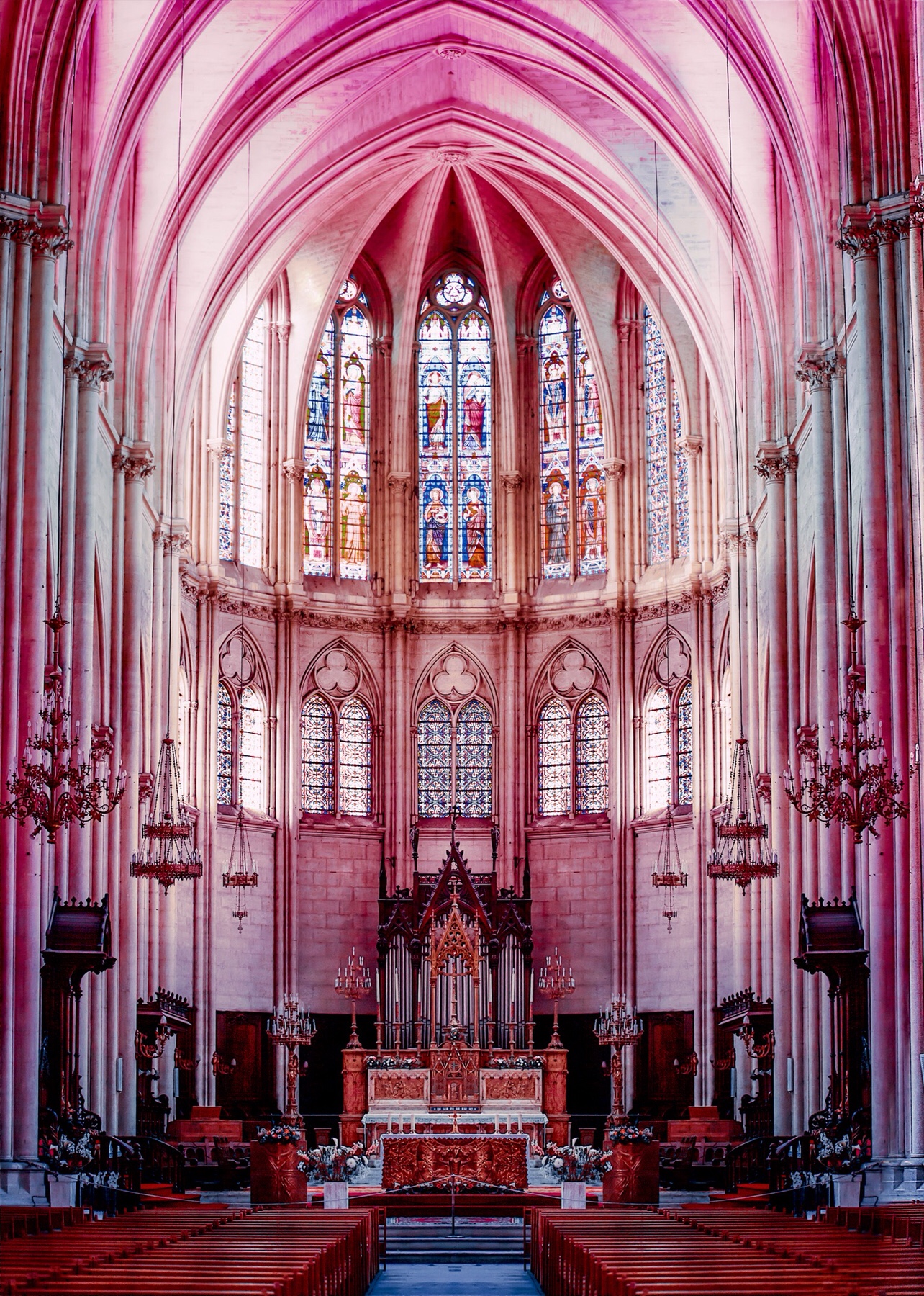
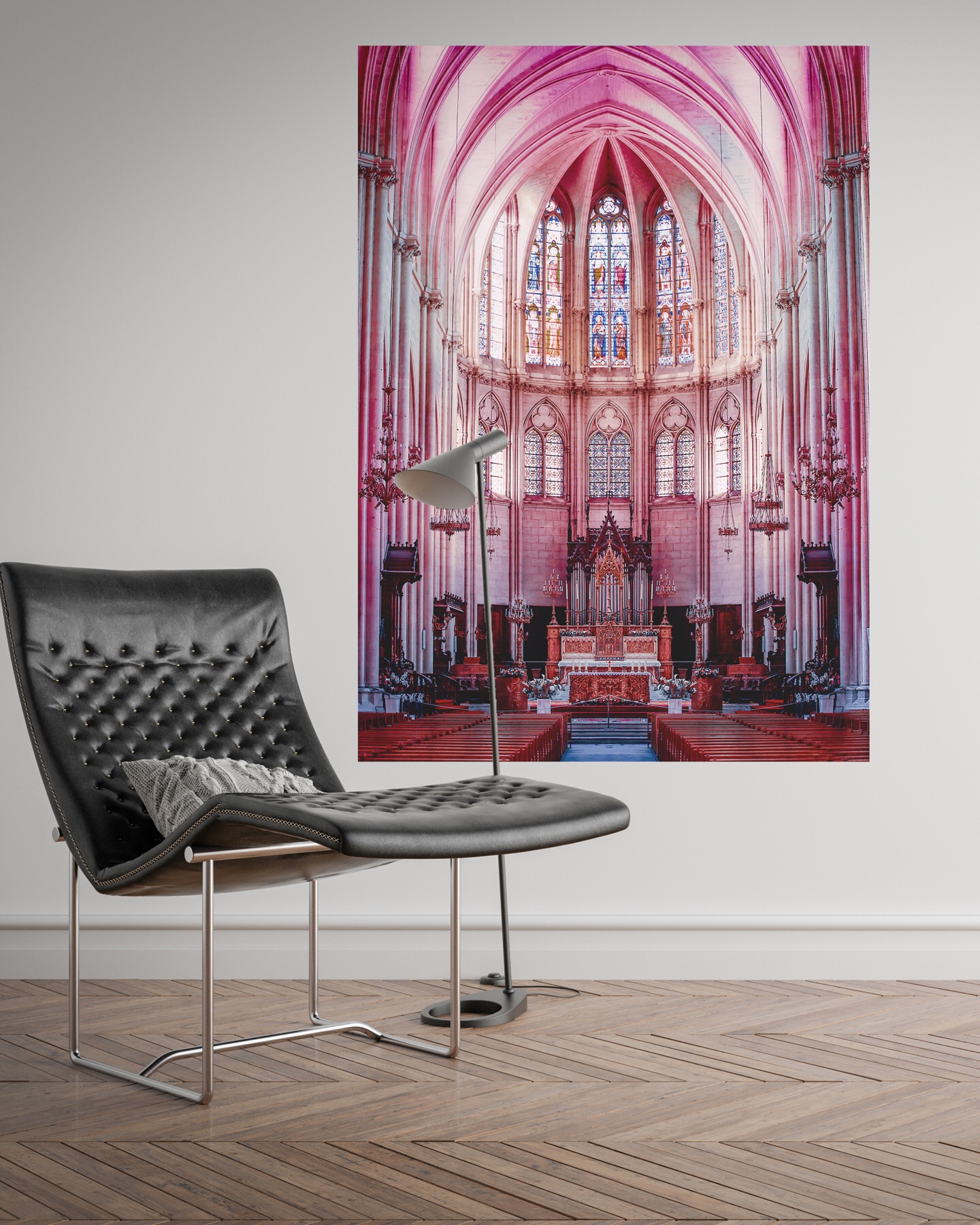
This is the context in which my lenticular photographic work arises. For instance, in my piece Cathedral, based on the Montpellier Cathedral of Saint Peter (France, 1364), I explored the architecture not as static heritage, but as a living vibration. Rendered in 27 digital layers and printed with lenticular technology, the image moves with the viewer, transforming light into sensation.
This isn’t merely technical. It’s mystical.
Just as sacred rituals activate physical symbols, I use technology to activate memory, presence, and archetype.
Lenticular photography becomes a ritual in itself — one that transforms perception, collapses linear time, and evokes the sacred through contemporary means.
About the Work
• Title: Cathedral
• Medium: Fine Art Lenticular Photography
• Installation: Bezel LED Lightbox
• Subject: Montpellier Cathedral of Saint Peter, France
• Year Built: 1364 (Gothic Architecture)
• Size: 32” × 48”
• Printed by: ViCGI (San Jose, CA) — http://www.vicgi.com
What Is Lenticular Printing?
Lenticular printing uses lenses to produce layered images that appear to move or change when viewed from different angles. By interlacing multiple visuals, this process turns flat photography into a dynamic experience — adding depth, motion, and presence.
In my work, this technique becomes a philosophical inquiry:
How do we perceive? What do we remember? How do we hold the sacred in a secular age?
Through these questions, art becomes not only seen — but felt.
Мистицизм, память и язык света
О фотографии и концептуальной глубине
Сол Левитт однажды написал в Предложениях о концептуальном искусстве (1967):
«Концептуальные художники — скорее мистики, чем рационалисты. Искусство требует ментальных вложений в объекты и образы, так же как религия требует вложения значимости в священные символы и ритуальное использование вещей».
Эти слова по-прежнему звучат во мне. Я воспринимаю фотографию не как просто визуальный носитель, а как метафизическое пространство — точку встречи видимого и невидимого. Каждый снимок — это не просто свет и форма, это проекция внутренних состояний, которых мы не осознавали до момента их проявления.
Фотография — это не фиксация времени, а его раскрытие.
Она противостоит исчезновению, возвращает объекту присутствие.
Каждое изображение становится активным носителем энергии и памяти.
Когда в 2005 году я впервые взяла в руки камеру, связь между изображениями и памятью ещё не была для меня очевидной. Я подходила к фотографии как ребёнок к краю своего восприятия — играючи, без страха, с интересом. Только годы профессионального опыта помогли мне осознать глубину связи между визуальным и личным.
Изобразительное искусство стало для меня языком, на котором можно говорить о себе.
Каждое изображение — и зеркало, и словарь. Оно позволяет исследовать оттенки души, раскрывать внутренние резонансы через текстуры, формы и свет.
Но чтобы понять произведение, нужно понять ту среду, в которой оно возникло — культурную, политическую, духовную.
Современные художники всё чаще работают не просто с материалом, а с системами — цветами, кодами, смыслами. Я в своих проектах соединяю дизайн и фотографию, чтобы выразить не поверхностную красоту, а внутреннюю согласованность. Это — эстетика, настроенная на отклик души зрителя.
В этом контексте появилась моя работа Cathedral — изображение собора Святого Петра в Монпелье (Франция, 1364), выполненное в формате 3D-лентикулярной печати. Я исследую архитектуру не как мёртвую форму, а как живую вибрацию. 27 слоёв художественной обработки, световой короб, технология, реагирующая на движение — всё это создаёт живое переживание.
Это не просто техника. Это современный ритуал.
Так же как когда-то сакральные обряды «оживляли» священные предметы, сегодня я использую технологию для активации памяти, архетипа и смысла.
Лентикулярная фотография — это медитация, соединяющая мистику и цифровую точность.
О работе
• Название: Cathedral
• Материал: художественная лентикулярная фотография
• Установка: LED-световой короб (Bezel)
• Объект: Собор Святого Петра, Монпелье, Франция
• Год постройки: 1364 (готическая архитектура)
• Размер: 81 × 122 см
• Печать: ViCGI, Сан-Хосе, Калифорния — http://www.vicgi.com
Что такое лентикулярная печать?
Лентикулярная печать — это многослойная технология, использующая линзы для создания иллюзии движения и глубины. При изменении угла обзора изображение «оживает», открывая разные ракурсы, кадры или объем. Это не просто визуальный эффект — это способ по-новому взглянуть на восприятие, память и сакральное в эпоху технологий.


 MARIA MIR